
Why Early Glaucoma Treatment Matters: Protecting Your Vision
You may have heard glaucoma called the “silent thief of sight.” That name fits because it gradually steals vision, usually starting with your peripheral vision. Most people do not notice until significant damage is done. The encouraging news is that early treatment can stop the process entirely. Here is why catching it early should be your top priority.
What Is Glaucoma?
Glaucoma damages the optic nerve, which connects your eye to your brain. It is usually linked to higher-than-normal pressure inside your eye. Over time, that pressure harms nerve fibers, and once they are gone, the vision they carried is gone for good.
Why You Cannot Feel It Coming
In its most common forms, glaucoma has no early symptoms. Your eye does not hurt, and your vision seems fine because your brain fills in missing spots. Waiting for symptoms is dangerous. By the time you notice, it is often too late to get back what is lost.
The Stages of Glaucoma
· Early or Pre-Glaucoma
You might be a “glaucoma suspect” if your eye pressure is high or your optic nerve looks different. Vision tests are still normal, and there are no symptoms. This is the best time to catch it. Treatment now can prevent damage entirely.
· Mild Glaucoma
Damage to the optic nerve is measurable, but your side vision still tests normal. You would never know anything is wrong. Treatment at this stage is highly effective at stopping progression.
· Moderate Glaucoma
Small blind spots appear in your side vision, though you probably will not notice them. Your central vision stays clear, but driving at night or navigating unfamiliar places might feel harder. Treatment becomes more aggressive to preserve what is left.
· Severe Glaucoma
Vision loss is significant now. Side vision is badly damaged, and central vision may be affected. Reading or recognizing faces becomes difficult. Treatment focuses on keeping the vision you have left.
Who Is at Higher Risk?
If a parent or sibling has glaucoma, your risk is up to ten times higher. Everyone over sixty should be vigilant. Black and Hispanic Americans face a higher risk, especially after 40. Previous eye injuries or long-term steroid use also raise the odds.
How Early Detection Changes Everything
Here is why early detection matters so much. When you catch glaucoma soon enough, it is entirely manageable. Your doctor can use eye drops, laser treatment, or simple surgery to lower your eye pressure. These treatments help protect your optic nerve from further damage. And thanks to newer options, some patients need fewer daily drops.
What You Can Do Right Now
If you are over 40, get a comprehensive eye exam every two to four years. After 55, it is a smart idea to have checkups every one to three years. However, your doctor may recommend more frequent checks if you have risk factors.
Make sure your exam includes pupil dilation. That lets your doctor see your optic nerve clearly. Eye pressure checks alone are not enough; some people have normal pressure and still develop glaucoma.
If you are diagnosed, stick to your treatment plan. Use drops exactly as prescribed and keep all follow-up appointments. Glaucoma is a long-term condition, but with consistent care, most people keep their vision for life.
Do not wait for the symptoms; get checked now.
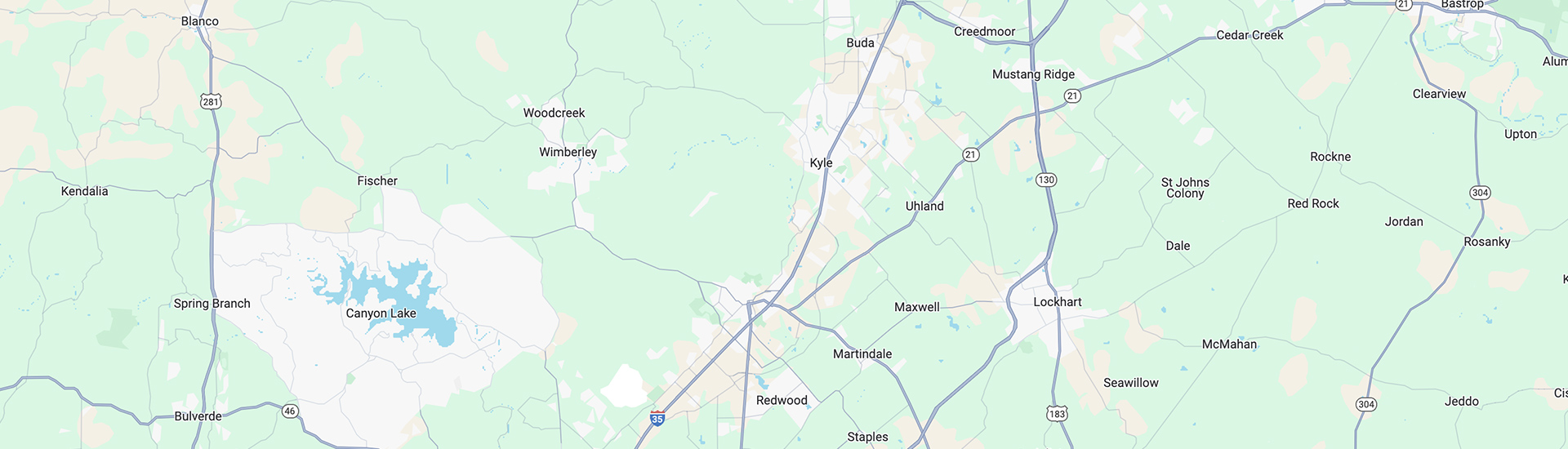
For more on protecting your vision from glaucoma, visit Martin Eye. Our offices are in Kyle and San Marcos, Texas. Call (512) 256-5315 to book an appointment today.
https://ophthalmology.wustl.edu/glaucoma-awareness-early-detection-protect-vision/
https://glaucoma.org/articles/how-glaucoma-progresses-and-what-you-can-do-to-protect-your-vision
Quick Links

All Eye Care Services
Discover personalized eye care excellence with our comprehensive services. From eye exams to advanced diagnostics, trust us for all your vision needs.

Keep In Touch
For non-urgent questions or to learn more about our services, contact us today!


Office Hours
- Monday : 9:00am - 5:00pm
- Tuesday : 9:00am - 5:00pm
- Wednesday : Closed
- Thursday : 9:00am - 5:00pm
- Friday : 9:00am - 5:00pm
- Saturday : 10:00am - 4:00pm
- Sunday : Closed
© 2026 Martin Eye. All rights Reserved -
Accessibility Statement
-
Privacy Policy
- Terms of Service
- Sitemap
Managed and Designed by 